When a Tree Starts Looking Off
Trees show trouble well before they fail. Look for canopy thinning in patches, leaves smaller than they should be, and leaves dropping or turning in late summer. On the trunk and larger limbs, watch for fungal shelves or conks, and for bark that is peeling, cracking, or missing in spots. Dead branch tips come late. By then the tree has usually been declining for a year or more. Occasional light winter freezes can burn back tender new growth, so we check whether the damage lines up with a cold snap before we blame something else. Call early. Once decay has worked through enough of the tree's water-carrying tissue, treatment rarely changes the outcome.
What the Tree's Actually Dealing With
Most declines trace back to a short list. Root damage from compacted soil or nearby construction is common, and because roots supply the water and nutrients, everything above them suffers. Fungi get in through bark wounds or roots and break down the wood and the tissue that moves water. Insects go after trees that are already stressed. Poor soil can leave a tree without what it needs to grow and defend itself. None of these announces itself. They show up as a slow slide over several seasons, so the problem is usually well along by the time it's obvious from the street.
How We Read What's Going On
We walk the whole tree and the ground around it: canopy, trunk, root flare, and the soil over the root zone. We tap the trunk and listen for hollow spots. We look at any fungal growth to see what it is and where it sits. We look for exit holes, boring dust, and sawdust at the base. From that we can tell you whether the tree is a candidate for treatment, for monitoring, or for pruning or removal instead.
What Treatment Looks Like
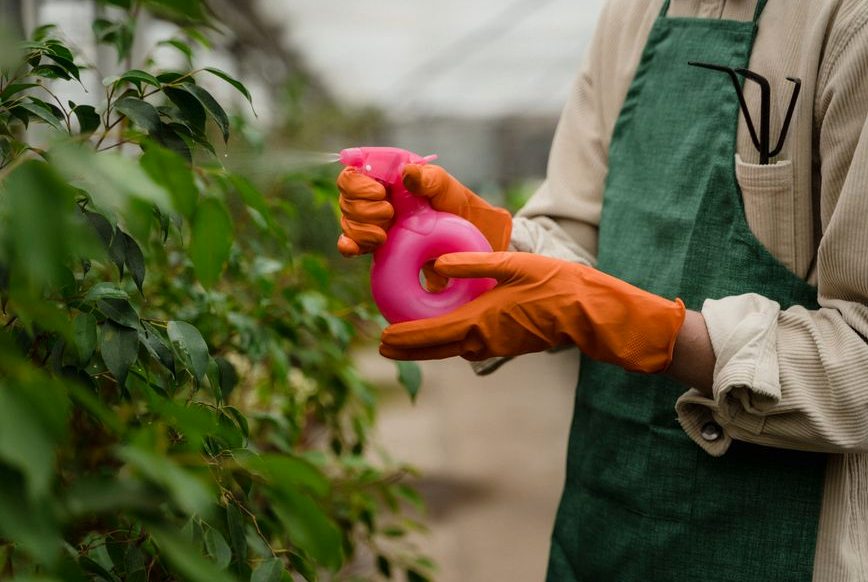
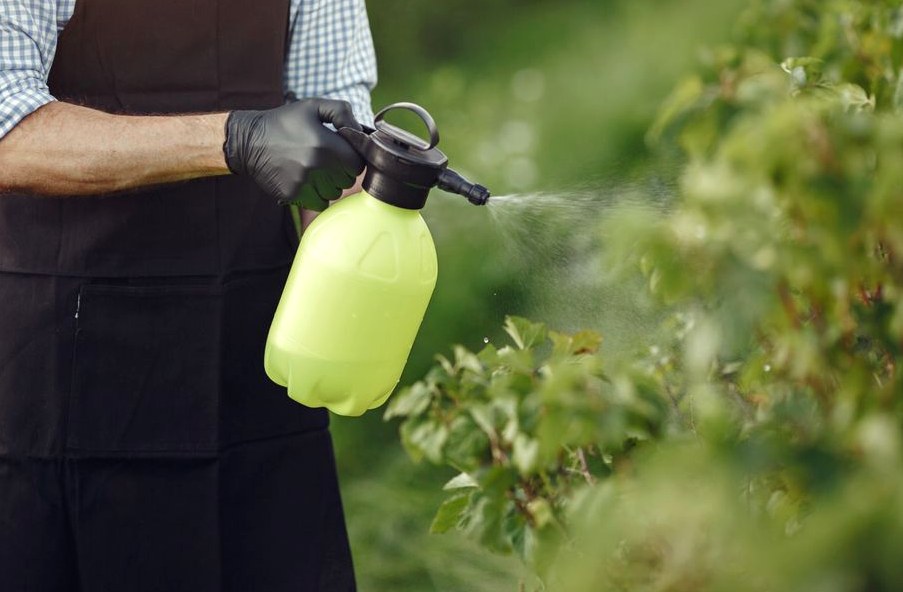
It follows the diagnosis. A root-zone problem gets worked on at the soil level. A fungal or insect problem gets a treatment matched to that specific problem, not a blanket spray. Where dead or failing limbs are adding stress, the treatment includes pruning them out. For that work we use climbing ropes, or an aerial lift when the tree or the access calls for it. Brush goes through the chipper, and the guards stay on. Nobody reaches into an operating chipper, and we lock it out before clearing a jam.
What Drives the Cost
Plant health care isn't flat-rate, because the jobs aren't alike. Tree size sets how much treatment and time it takes. So does the number of trees affected, and whether it's one visit or a program spread over a season. How severe the condition is decides which methods make sense. Access and prep work around the tree add to the bill. If pruning is part of the plan, it's in the quote. We price after the assessment, not before. If a tree isn't going to respond, we tell you, because sometimes removal is the better spend.
Permits
Hanford's tree permit application covers planting, pruning, or removing street trees in the public right of way, and heritage trees. Treatment often includes pruning, so on any tree in that category we verify permit requirements before we schedule. Trees in your own yard that aren't heritage trees are a simpler matter. If the work is tied to a development project, check the city's current requirements. Hanford lists the 2025 editions of California's building and related state codes as its adopted codes.
See the Work
A visual look at what the service involves.

How It Works
-
Tell Us What You Need
Tell us what you need done and when, you'll get a straight answer, not a sales pitch.
-
We Walk the Job
We come out, look at the space, and confirm exactly what the job involves.
-
Know the Price First
You get the scope and the price in writing before any work starts. No surprises.
-
The Job, Done Right
We do the job right the first time, clean up after ourselves, and stand behind the work.
Depending on what we find, that can mean:
- When climbing, use safe climbing procedures, including placing hands and feet on separate limbs and protecting climbing lines from cuts.
- Start a chainsaw on firm support with its brake engaged, and do not cut directly overhead.
What It Typically Costs
Ranges to budget around - every situation is priced on its own specifics.
$75–$1500
$180–$560
Our Service Area
We work across Hanford, CA. Call (559) 794-9788 to confirm coverage for your address.