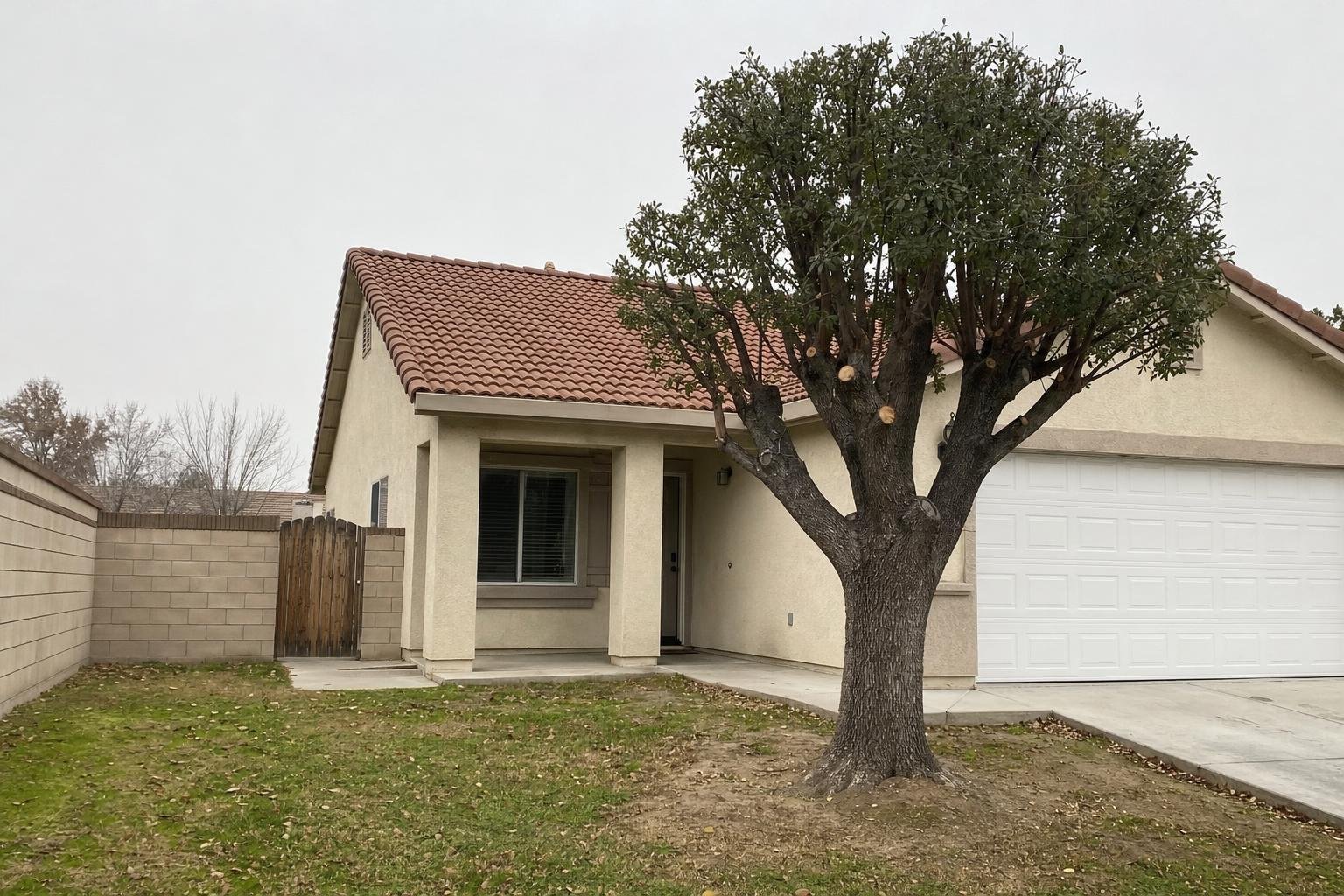
This page covers all three. The next step is a call where you describe the tree. On that call we can talk through where the usual range falls, and the firm figure follows in writing once we've stood under the tree.
What goes into a tree removal quote?
Three things move the price: how tall and thick the tree is, what's around it, and what condition the wood is in. A 40-foot pine in an open backyard and a 40-foot oak leaning toward a fence take very different amounts of work.
Size drives most of the price because it sets the equipment, the crew and the hours. Location comes next. A tree beside a house, a pool or a driveway means we have to control exactly where each section lands, and that takes time. Condition is the one we can't always see from the ground. A dead or storm-damaged tree can have hidden decay that changes how we make each cut.
Condition can't be priced from a phone description, so we inspect the tree first. The written quote reflects what we found standing under it, and you have it in hand before a saw starts.
The service behind this guide: tree removal. Need tree service in Hanford? Our main page lists everything.
Can you get a tree removed for free?
Not from us, and we don't know of a dependable route for an ordinary yard tree. Removal is labor, climbing and rigging, and equipment, and that's what you're paying for.
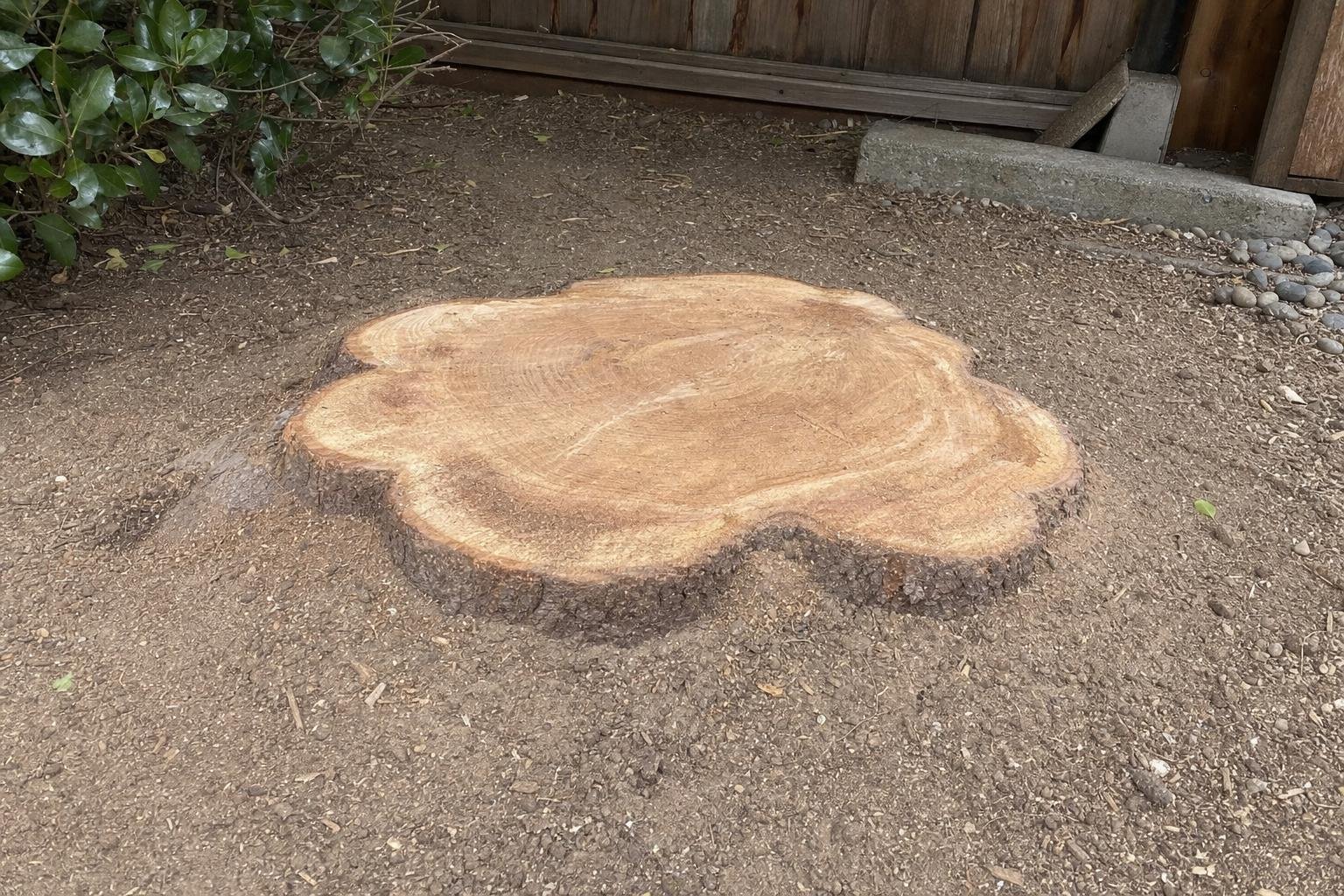
What you can control is the scope. Stump grinding is priced separately from the removal, which means a tree-only job carries no grinding charge. If the stump is in your way, grinding runs $175 to $625 depending on its size, and you can decide that now or call us back once the yard has settled. The other lever is the tree itself. A tree that's easy to reach and has clear ground around it costs less to take down than one wedged against a structure.
Does Hanford's ground change how the tree comes out?
It can. Hanford is generally flat with sandy-loam soils, but Kings County also has expansive soils, and the dominant soil here, Tulare, is somewhat poorly drained. Before we bring heavy equipment onto a lot, or dig out much of the root zone, we confirm what the ground is like at your site.
The climate matters if you're planning a replacement. Summers here are hot, dry and long, and Hanford is semiarid, so a newly planted tree needs watering attention through the dry months. Winters bring only the occasional light freeze, which doesn't hold up planting much.
What happens on the day of the removal?
We walk the site first and set a work zone. Anyone on the ground stays no closer than twice the height of the tree to the fall zone. If we're guiding the fall with a rope, ground workers hold back at least 1½ times the tree's height. We also mark a retreat path for the ground crew before the first cut goes in, so everyone knows where to go if the tree doesn't fall the way we planned.
In tight spaces or near structures, we take the tree down in sections and guide each one with rope rather than dropping it whole. A hand saw handles the detail cuts. Big trees and heavy rigging add hours, and that shows in the number you're given. Wood and debris are handled in the written quote too, so haul-off is settled before we start.
What does an emergency removal cost?
Emergency removals in Hanford run $1,100 to $7,500. Height, and what the tree is leaning on or blocking, decide where you land in that range. A tree blocking a driveway is one job. A large one leaning on a roof is another, and it sits at the top of that range.
A tree that's down or resting on something jumps ahead of routine work on our schedule. A tree that's merely standing and worrying you is a normal quote, not an emergency, and you'll pay the normal price.
What should you do next?
Call and describe the tree. We'll ask where it stands, roughly how tall it is, and what's near it, like a house, a fence or a power line. A guess at the height is fine. You don't have to decide anything on that call. We'll set up a time to see the tree, and the exact figure comes in writing after that.
Also Available
Updated October 2026